



Designing a beautiful home is exciting—but designing a home that truly works for your daily life is transformative. Many interiors look stunning in photos yet fall short in real-world use. That’s why understanding how to plan interiors that fit your lifestyle (not just looks) is essential for creating a space that supports comfort, productivity, relationships, and long-term happiness.
Built to help homeowners, renters, and designers make informed interior decisions. Whether you live alone, with family, pets, or work from home, this article walks you through planning interiors that adapt to how you actually live – not just how spaces are styled online.
Why Lifestyle-Based Interior Planning Matters
A lifestyle-focused interior prioritizes:
- Daily routines
- Emotional comfort
- Practical functionality
- Flexibility over time
Homes designed only around aesthetics often lead to:
- Poor storage solutions
- Awkward layouts
- Maintenance stress
- Unused or uncomfortable rooms
When interiors align with your lifestyle, your home becomes easier to live in, easier to maintain, and more enjoyable long-term.
Understanding Your Lifestyle Before Designing
1. Analyze Your Daily Routine
Start by observing how you move through your home:
- Where do you spend the most time?
- Do you work, relax, or entertain at home?
- What activities repeat daily?
This analysis informs room layouts, furniture placement, and lighting needs.
2. Identify Who Uses the Space
Consider:
- Singles vs couples
- Families with kids
- Pets
- Frequent guests
Each user type affects durability, storage, safety, and layout planning.
3. Think About Time, Not Trends
Trends change, lifestyles evolve. Design for:
- The next 5–10 years
- Career shifts
- Growing families
- Aging needs
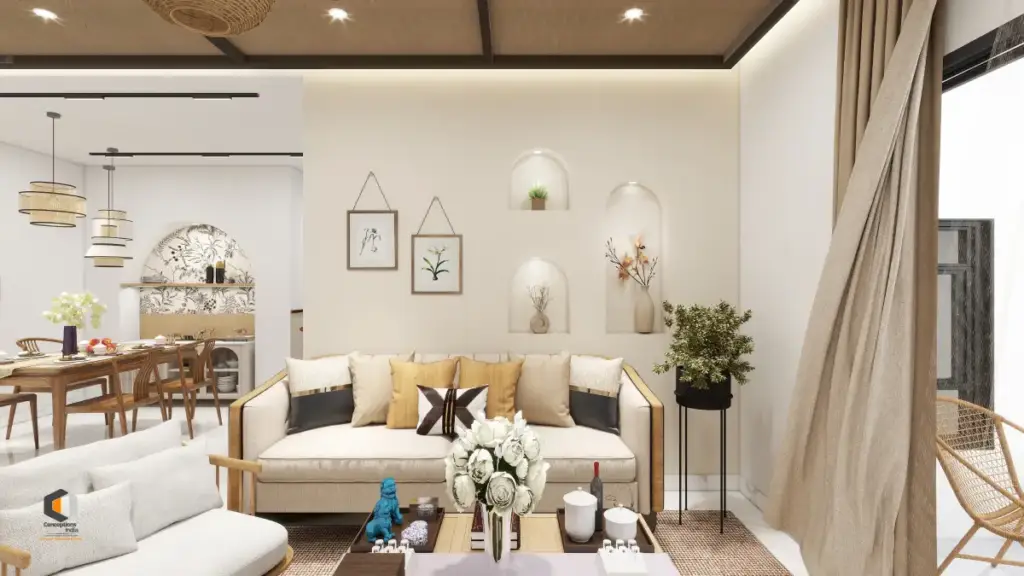
Balancing Function and Aesthetics
Good design blends form and function. Instead of choosing between beauty and practicality, aim for both.
Functional Beauty Principles
- Choose furniture that looks good and serves multiple purposes
- Use materials that age well
- Prioritize comfort before style
Avoid “Show Home Syndrome”
Homes don’t need to look staged. They need to feel lived in, warm, and intuitive.
Room-by-Room Lifestyle Interior Planning
Living Room: Designed for Real Life
Ask yourself:
- Is this for relaxing, entertaining, or both?
- Do you watch TV often?
- Do kids or pets use this space?
Lifestyle tips:
- Modular seating for flexibility
- Performance fabrics for durability
- Layered lighting (ambient + task)
Kitchen: Function Over Fantasy
A beautiful kitchen should still:
- Allow easy movement
- Offer enough storage
- Be simple to clean
Lifestyle-focused choices:
- Soft-close drawers
- Easy-maintenance countertops
- Logical work triangle (sink–stove–fridge)
Bedroom: Comfort First
This is your recovery zone.
Focus on:
- Quality mattress
- Blackout curtains
- Calm color palette
Avoid overcrowding with decor that disrupts rest.
Home Office: Productivity-Centered Design
With remote work increasing, interior planning must support focus.
Key elements:
- Ergonomic furniture
- Proper lighting
- Sound control
Design the office around how long you work, not just aesthetics.
Bathroom: Daily Functionality
Consider:
- Storage for real products, not just towels
- Slip-resistant flooring
- Easy-clean finishes
Luxury is comfort and convenience—not just marble.
Furniture Selection Based on Lifestyle
Choose Multi-Functional Pieces
Examples:
- Storage ottomans
- Sofa beds
- Extendable dining tables
Measure Before You Buy
Oversized furniture disrupts flow and comfort.
Comfort Testing Is Non-Negotiable
Sit, lie down, and test before committing.
Storage Planning for Real Homes
Clutter affects mental clarity. Lifestyle interiors plan for:
- What you own now
- What you’ll accumulate later
Smart storage ideas:
- Built-ins
- Vertical storage
- Hidden compartments
Design storage before decorating.
Material Choices That Match Your Life
Choose materials based on:
- Maintenance tolerance
- Durability needs
- Climate conditions
| Lifestyle | Best Materials |
|---|---|
| Families | Laminate, microfiber, quartz |
| Pets | Leather, performance fabrics |
| Low maintenance | Porcelain tiles, matte finishes |
Lighting That Supports Daily Activities
Lighting should change with time and purpose.
Types to include:
- Ambient lighting
- Task lighting
- Accent lighting
Warm lighting for evenings, brighter lighting for work areas.
Color Psychology and Lifestyle

Colors affect mood and behavior.
- Neutrals = calm and flexibility
- Earth tones = grounding
- Bright accents = energy
Choose colors based on how you want to feel, not just trends.
Technology and Smart Living Integration
Lifestyle interiors now include:
- Smart lighting
- Automated climate control
- Integrated charging stations
Plan tech early to avoid visible clutter later.
Sustainable Choices That Fit Your Life
Sustainability isn’t just ethical – it’s practical.
Lifestyle-friendly sustainable options:
- Energy-efficient lighting
- Durable materials
- Timeless designs
Sustainable homes are often lower-maintenance homes.
Common Mistakes to Avoid
- Designing only for Instagram
- Ignoring storage needs
- Overfurnishing spaces
- Choosing trends over comfort
- Not planning for future changes
FAQs: How to Plan Interiors That Fit Your Lifestyle (Not Just Looks)
1. What does lifestyle-based interior design mean?
It means designing your home around how you live daily—your habits, routines, and needs – rather than focusing only on visual trends.
2. Can a functional home still look stylish?
Absolutely. The best interiors blend beauty with usability, comfort, and long-term practicality.
3. How do I balance trends with timeless design?
Use trends in small, changeable elements like cushions or decor, and keep core items timeless.
4. Is lifestyle interior planning more expensive?
Not necessarily. It often saves money long-term by reducing replacements and redesigns.
5. How important is storage in lifestyle interiors?
Extremely important. Proper storage keeps homes organized, stress-free, and adaptable.
6. Can renters plan lifestyle interiors too?
Yes. Use modular furniture, removable storage, and flexible layouts to adapt rented spaces.
Conclusion: Design for Living, Not Just Looking
Understanding how to plan interiors that fit your lifestyle (not just looks) allows you to create a home that supports your daily life, evolves with your needs, and feels genuinely comfortable. When interiors reflect how you live—not just how you want them to appear – you gain a space that’s functional, meaningful, and truly yours.
A well-designed home doesn’t just impress visitors.
It improves everyday life.