



Natural light for home design is one of the most important elements in modern interiors. When planned correctly, natural light for home spaces can completely transform how your rooms look and feel.
Whether you live in a compact 2BHK apartment in Bangalore or a spacious independent villa, designing your home around natural light can dramatically improve both aesthetics and functionality.
In this detailed guide, we’ll explore:
- Why is natural light important in home design
- How natural light affects wall colours
- The benefits of natural lighting in homes
- How to increase natural light in your house
- Best colour choices for well-lit homes
- Smart interior design tips for maximising daylight
If you’re planning a renovation or new home interior, this guide will help you make informed, design-forward decisions.
Why Natural Light for Home Design Is So Important
Natural light does more than brighten a room. It influences:
- Colour perception
- Room temperature
- Energy efficiency
- Space perception
- Emotional well-being
When sunlight enters a space, it reflects off walls, floors, and furniture. The way it interacts with these surfaces determines how colours appear and how spacious the room feels.
Homes designed with ample daylight often look larger, cleaner, and more luxurious — without increasing square footage.
Benefits of Natural Light in Your Home
Homeowners frequently search for the benefits of natural light in house design — and for good reason.
1️. Makes Spaces Feel Bigger
Bright interiors reduce visual clutter and create an open, airy effect.
2️. Enhances Wall Colours Naturally
Natural sunlight reveals the true undertones of paint shades, making colours appear richer and more dynamic.
3️. Reduces Electricity Consumption
Daylight reduces the need for artificial lighting during the day, lowering energy bills.
The U.S. Department of Energy highlights daylighting as an effective strategy for reducing artificial lighting usage in residential buildings.
4️. Improves Mood & Productivity
Sunlight exposure is linked to better mood, focus, and overall well-being — especially important for home offices.
5️. Creates Healthier Indoor Environments
Natural light improves ventilation patterns and reduces dampness in certain areas.
For modern Bangalore homes where open layouts are common, incorporating natural lighting is essential for both comfort and visual appeal.
How Natural Light Affects Wall Colours in Your Home
One of the most overlooked aspects of natural light for home interiors is how dramatically it changes wall colour perception.
Colour is not static. It changes depending on:
- Time of day
- Direction of windows
- Season
- Intensity of sunlight
- Type of paint finish
A shade that looks neutral in a showroom might appear warm, cool, darker, or brighter once applied at home.
How Window Direction Impacts Natural Light in Your Home
Understanding window orientation is crucial when selecting paint colours and finishes.
🌅 East-Facing Rooms
These rooms receive warm morning sunlight.
Impact on colours:
- Warm tones appear brighter.
- Cool shades balance the warmth.
- Whites may look slightly creamy early in the day.
Best colours:
- Soft greys
- Muted blues
- Sage green
- Balanced greige
East-facing bedrooms benefit from calming shades that glow softly in morning light.
🌇 West-Facing Rooms
West-facing spaces get stronger afternoon and evening sunlight.
Impact on colours:
- Warm shades may look overly yellow.
- Beige can appear more golden.
- Dark colours become intense.
Best colours:
- Neutral greys
- Soft taupe
- Cool-toned whites
- Earthy neutrals
For Bangalore apartments with west-facing balconies, avoiding overly warm paint prevents visual heat buildup.
🌤️ North-Facing Rooms
These receive consistent but cooler daylight.
Impact on colours:
- Cool tones may appear slightly blue.
- Grey can feel sharper.
- White looks crisp.
Best colours:
- Warm whites
- Cream
- Soft beige
- Earthy tones
Adding warmth prevents the room from feeling flat.
☀️ South-Facing Rooms
South-facing rooms receive strong daylight most of the day.
Impact on colours:
- Almost all shades look vibrant.
- Dark walls appear rich and dramatic.
- Light shades look airy and open.
Best colours:
- Off-white
- Warm neutrals
- Pastels
- Deep accent walls
This orientation offers the most flexibility in colour selection.
Matte vs Gloss: How Finishes React to Natural Light
Choosing the right paint finish is equally important.
Matte Finish
- Absorbs light
- Reduces glare
- Hides imperfections
- Creates a soft, elegant look
Ideal for bright living rooms and bedrooms.
Satin / Eggshell Finish
- Slightly reflective
- Easier to clean
- Adds subtle brightness
Suitable for hallways and family areas.
Gloss Finish
- Highly reflective
- Highlights wall flaws
- Can feel harsh under strong sunlight
Best for trims and accents rather than full walls.
In homes with abundant natural light, matte finishes often create a more balanced and sophisticated result.
How to Increase Natural Light in Your Home
If your home lacks adequate sunlight, you can still improve brightness through smart design strategies.
✔ Use Light-Coloured Walls
Soft neutrals reflect more light than dark shades.
✔ Add Mirrors Strategically
Mirrors opposite windows amplify daylight distribution.
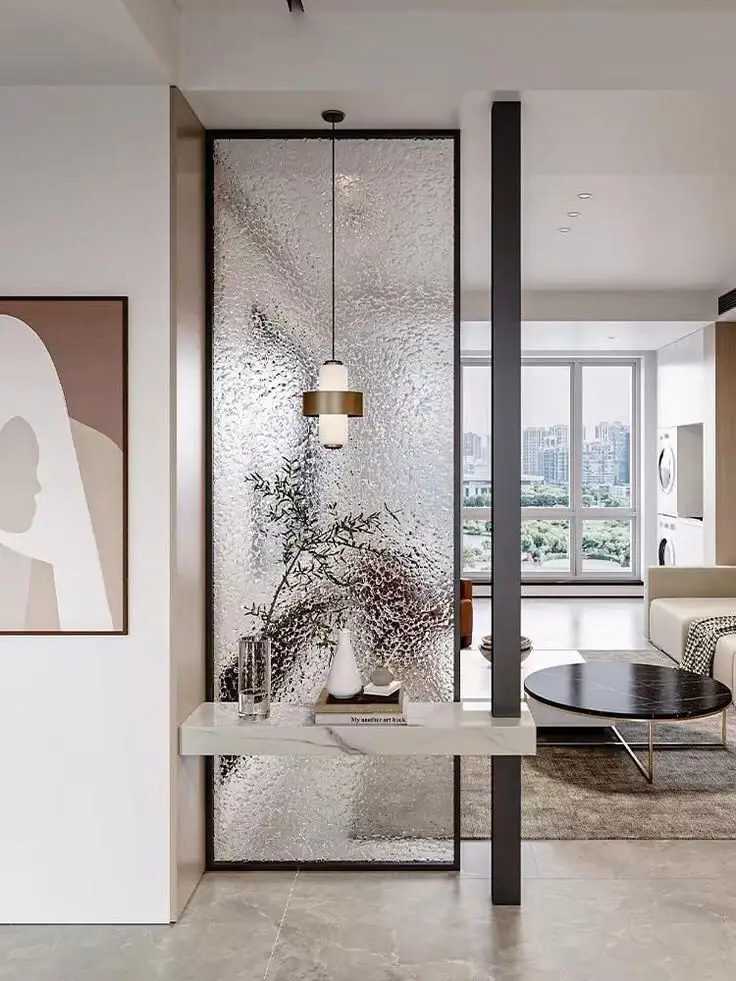
✔ Install Glass Partitions
Replacing solid walls with glass allows light to travel further.
✔ Choose Sheer Curtains
Heavy drapes block valuable sunlight.
✔ Keep Windows Uncluttered
Avoid placing bulky furniture near window openings.
✔ Use Reflective Surfaces
Glossy tiles, polished stone, and light flooring enhance light bounce.
Even small adjustments can significantly improve natural lighting in apartments.

Best Wall Colours for Homes with Ample Natural Light
If your home receives strong daylight:
- Avoid extremely bright pure white — it may cause glare.
- Choose warm whites instead.
- Use muted pastels for softness.
- Experiment with bold accent walls.
- Layer textures to create depth.
Natural light makes subtle undertones more visible, so testing samples directly on-site is always recommended.
Natural Light for Home Office Design
With remote work becoming common, natural light for home office spaces is especially important.
Benefits include:
- Reduced eye strain
- Improved focus
- Better video call appearance
- Enhanced productivity
Positioning your desk perpendicular to windows prevents screen glare while maximizing daylight exposure.
Seasonal Changes and Their Impact on Wall Colours
In cities like Bangalore, seasonal shifts affect interior lighting.
Summer
Bright sunlight makes colours appear lighter.
Monsoon
Cloud cover diffuses light, making shades look softer.
Winter
Gentle sunlight enhances warm tones.
Choosing adaptable neutral palettes ensures your interiors remain balanced throughout the year.
Common Mistakes to Avoid
❌ Selecting paint without checking the window direction
❌ Ignoring seasonal light variation
❌ Choosing pure white for very bright rooms
❌ Overusing gloss finishes
❌ Not testing paint samples
Professional interior designers always evaluate lighting before finalising materials.
Designing a Home Around Natural Light
When planning interiors, consider:
- Window size and placement
- Reflective materials
- Wall colour undertones
- Ceiling height
- Furniture placement
- Artificial lighting temperature
A well-designed home uses natural light as a feature – not just a utility.
Frequently Asked Questions
1. Why is natural light important for home interiors?
Natural light improves mood, enhances wall colours, reduces electricity usage, and makes rooms feel larger and more inviting.
According to the World Health Organization, access to natural daylight plays an important role in maintaining healthy indoor environments.
2. How can I increase natural light in my home?
Use light-coloured walls, add mirrors, install glass partitions, choose sheer curtains, and keep windows uncluttered.
3. Which wall colours work best with natural light?
Warm whites, soft greys, beige, and muted pastels perform well under natural sunlight.
4. Does natural light change wall colour appearance?
Yes, sunlight intensity and direction affect how paint colours look throughout the day.
Final Thoughts: Let Natural Light Lead Your Design
Natural light for home interiors is one of the most valuable design elements you can work with. It enhances colours, improves mood, saves energy, and makes spaces feel premium without additional construction. 🌿
Instead of choosing wall colours based only on trends, consider how sunlight enters your space throughout the day. When paint, finishes, and lighting work together, your home feels balanced, welcoming, and timeless.
If you’re planning a renovation or new interior design project in Bangalore, prioritising natural light can elevate your home’s overall experience and long-term value.
Prioritizing natural light for home interiors ensures better mood, improved wall colour appearance, and long-term design value.